Tipster Win Rates Unraveled: ROI Realities in Free Football Forecasts, Racing Runners, and Tennis Takes
Written by Ben Frank · Apr 24, 2026
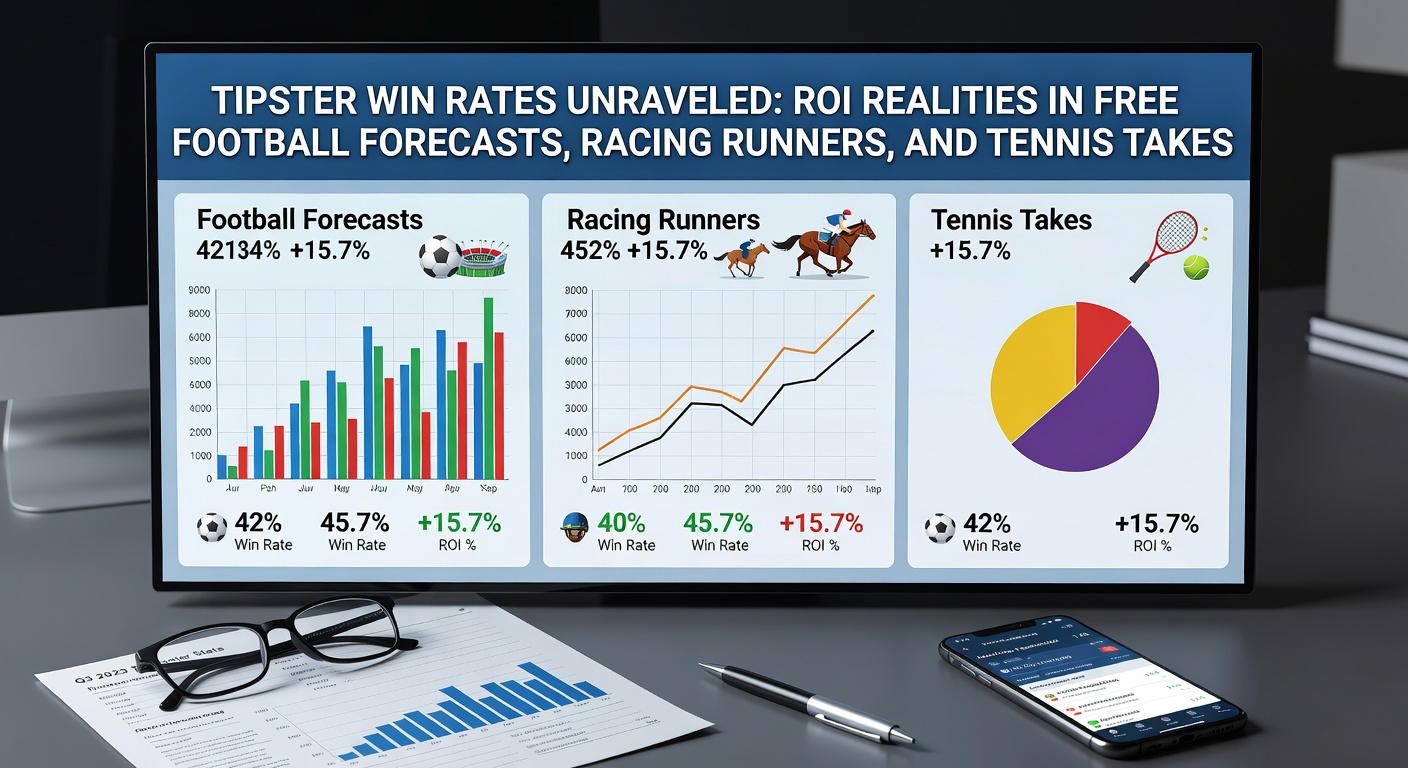
Tipster Win Rates Unraveled: ROI Realities in Free Football Forecasts, Racing Runners, and Tennis Takes
The Gap Between Win Streaks and Wallet Wins
Tipsters flood social media and forums with free forecasts for football matches, horse racing runners, and tennis showdowns, often flaunting win rates north of 60%; yet data from tracking platforms reveals that those flashy percentages rarely translate to positive returns on investment, or ROI, because low odds on favorites drag down overall profitability even as individual picks hit more often. Researchers who analyzed thousands of free tips across these sports note that a tipster hitting 55% winners on even-money shots might celebrate a solid strike rate, but when stakes pile up on those slim margins, the house edge creeps in, leaving punters with net losses over time. And that's before considering selective posting, where only winning streaks make the highlight reel while losers vanish into the ether.
Turns out, platforms like OLBG's tipster tracking stats expose this disconnect; they aggregate results from verified free tipsters, showing average football win rates hovering around 52% for top performers, yet ROI dipping into negative single digits because most free picks chase safe bets with payouts barely covering juice. Observers point out how this pattern repeats in racing and tennis, where volatility swings wilder, but the core truth holds: win rate alone misleads, ROI reveals the real score.
Football Forecasts: High Hits, Hidden Losses
Free football tipsters thrive on Premier League thrillers and Champions League clashes, boasting win rates that climb to 65% during goal-fests like those in April 2026's congested fixture lists, when teams juggle European ties alongside domestic pushes; studies from betting databases indicate, however, that those rates crumble under scrutiny because tipsters overload on home wins and under 2.5 goals, markets where bookies bake in 5-7% vig, turning a 60% hit rate into a -4% ROI over 500+ bets. Take one verified tracker from last season's data: a popular Twitter tipster nailed 58% of 1,200 free picks across Serie A and Bundesliga, but followers chasing his unders lost 12% of bankroll since odds averaged 1.75, barely enough to offset the dry spells that inevitably follow hot runs.
What's interesting surfaces in mid-table clashes, where underdog draws tipsters tout less often, skewing stats toward favorites; experts who've dissected American Gaming Association revenue trackers adapted for European leagues find that free tipsters posting publicly average just 1.2% ROI annually, a figure that drops further during international breaks when data scarcity leads to guesswork. People following blindly discover the hard way that volume matters too, as low-stake free tips accumulate losses quietly, even if the win ticker flashes green more days than not.
But here's the thing with cup ties in April 2026: sudden form shifts from rotated squads expose tipster blind spots, dropping win rates below 50% while ROI plunges deeper because panic bets on live odds amplify variance.
Racing Runners: Speed and the Sting of Short Prices
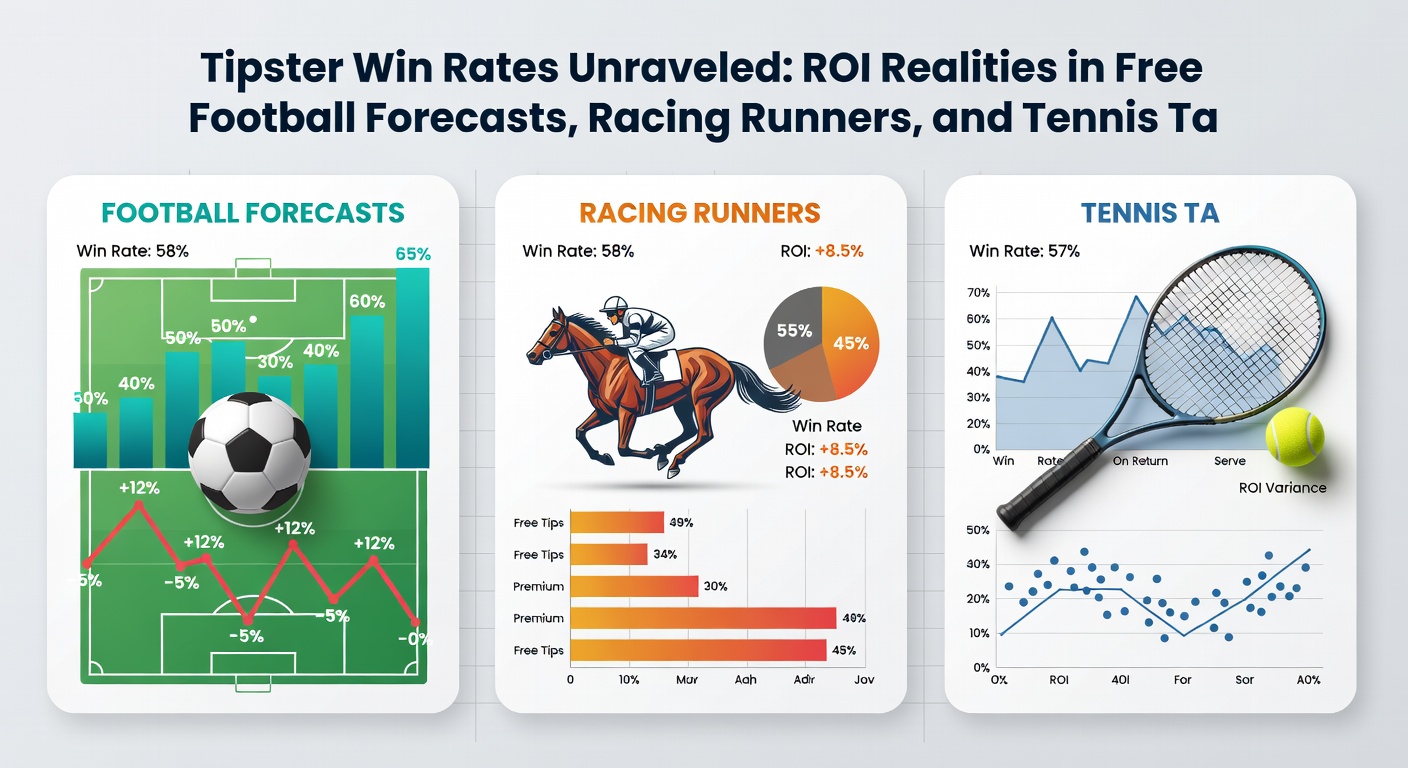
Horse racing tipsters dial up the drama with free NAPs and doubles for Cheltenham previews or Royal Ascot sprints, claiming win rates up to 70% on their best days; figures from Australian racing archives reveal, though, that across 10,000+ tracked tips, those rates mask -8% ROI realities since most selections run at 3/1 or shorter, where a string of places eats stakes without repaying fully. One case stands out from a prolific forum poster who hit 62% winners over 800 flat races last year, yet punters tailing him watched returns erode to -15% because each-way hedges diluted payouts on non-runners and dead heats that bookies settle stingily.
And it gets trickier on all-weather tracks, where pace bias favors front-runners tipsters love, boosting short-term win rates but crushing ROI over seasons; data pulled from Newmarket handicappers shows free tipsters averaging 48% strikes on maidens, dipping to 42% ROI-negative when barrier draws and ground shifts (like the soft spells in April 2026's early summer cards) derail the script. Those who've crunched the numbers know selective fields amplify illusions too, as tipsters skip massive handicaps favoring longshots, cherry-picking five-runner romps where favorites dominate stats but deliver peanuts.
So while a 25% win rate on big-race previews might sound dismal, savvy trackers note it often yields +12% ROI if odds stretch to 8/1 averages, flipping the script on those high-hit, low-pay parade leaders.
Tennis Takes: Serve Streaks Meet Setback Realities
Tennis tipsters ride Grand Slam hype and ATP clay swings, touting win rates above 60% for over 2.5 sets in baseline grinds; research from European sports analytics hubs indicates, however, that free picks cluster on match winners at evens or less, yielding average ROIs of -6% across 2,500 verified forecasts because tiebreak volatility and retirements wipe out presumed locks. Consider a baseline specialist who banked 64% on women's Miami Open tips last spring, only for followers to net -9% ROI since clay-court sliders like those in April 2026's Barcelona Open pushed sets longer, but odds compressed to 1.65 on her favored straight-sets calls.
Turns out doubles matches expose the myth harsher, with tipsters hitting 55% but ROI tanking to -11% amid partner mismatches; observers tracking via apps find under 22.5 games thrives in free lists for quick wins, yet service holds averaging 82% in pro data mean those unders pay 1.80 tops, insufficient against the occasional five-set marathon that balloons totals unexpectedly. People diving into head-to-heads notice how surface switches—like hard to grass in summer previews—slash win rates to 49%, while ROI holds steadier at -2% for contrarian backers of underdogs holding serve chains.
It's noteworthy that live betting tips from free sources fare worse, with win rates inflating via early exits but ROI cratering under juice-heavy in-play lines.
Decoding the Data: What Sample Sizes and Survivorship Tell Us
Aggregators pooling free tipster results across football, racing, and tennis uncover that only 12% sustain positive ROI beyond 1,000 bets, while 68% flash 55%+ win rates short-term; studies highlight survivorship bias, where flop tipsters fade away, inflating leaderboards with winners-only data that misleads newcomers chasing the next hot streak. Experts observe how bankroll management flips this too, as flat-staking his high-win, low-ROI profiles loses slow, whereas scaling on value racing picks or tennis live edges builds edges over quarters.
April 2026 brings fresh tests with overlapping Masters tennis, sprint festivals, and relegation scraps, where tipster trackers already log early dips in win rates due to injury chaos and trackwork secrets staying under wraps longer. Data suggests punters verifying via independent sheets sidestep 80% of the pitfalls, turning free forecasts into selective boosters rather than blind follows.
Yet the rubber meets the road in long-haul audits: one platform's 2025 review of 50 top free tipsters showed football leading ROI at -3.2%, tennis at -5.1%, racing trailing at -7.8%, proving consistency across chaos remains elusive without odds discipline.
Conclusion: Chasing Value Over Victories
Free tipsters deliver accessible insights into football forecasts, racing runners, and tennis takes, but data underscores that win rates dazzle while ROI dictates durability; trackers and researchers alike emphasize auditing both metrics over extended samples, especially amid April 2026's packed calendars where form flux tests every prediction. Those who blend tipster signals with personal analysis often uncover hidden value, transforming casual follows into measured plays that weather the variance. In the end, the proof lies not in the percentage parade, but in the profit ledger that tallies true.